Open 7 Days a WeekEmergency: (780) 488-0124

Feline Panleukopenia Virus (FPV) is a highly contagious, life-threatening disease in cats. Vaccination is critical because the virus can survive over a year in the environment.
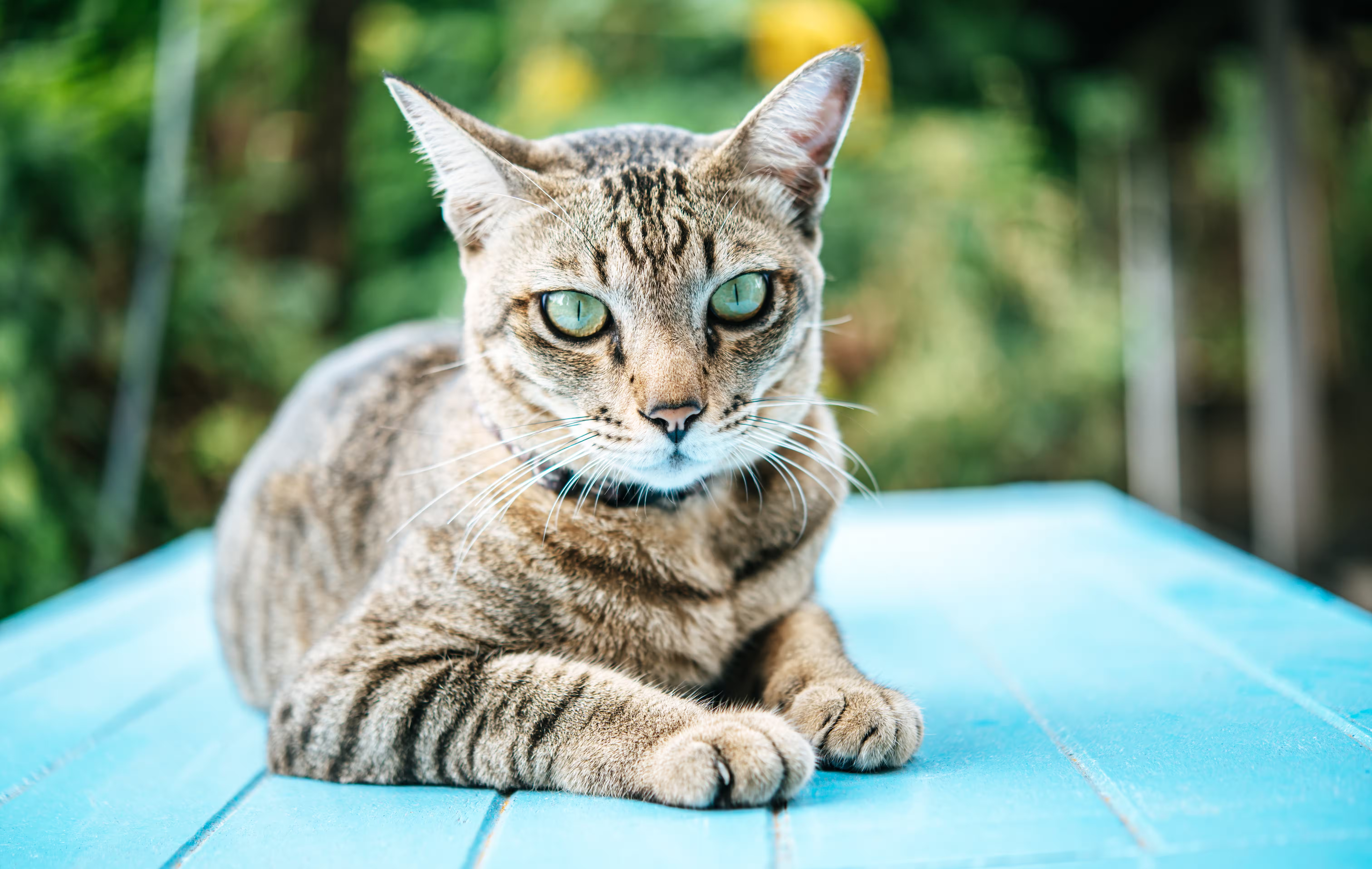
Feline Panleukopenia Virus (FPV) is a highly contagious, life-threatening viral disease in cats.
7 Days
Emergency care
Felines
Health guide
Call
If symptoms persist
Feline Panleukopenia Virus (FPV) is a highly contagious, life-threatening viral disease in cats. It goes by several names - Feline Infectious Enteritis, Feline Distemper, Feline Ataxia, or "Cat Plague" - but they all refer to the same disease. The name "panleukopenia" comes from the sharp drop in white blood cells (leukocytes) it causes in affected cats.
The virus primarily targets the intestinal tract, bone marrow, and in developing kittens the fetal stem cells, because it attacks rapidly dividing cells specifically. This is why infection so often leads to anemia and leaves cats highly vulnerable to secondary infections.
FPV is one of the most significant threats to unvaccinated cats, and the virus is remarkably tough - it can survive over a year in a contaminated environment. This is exactly why vaccination matters so much: even a cat who never goes outside or meets other cats can be exposed through a contaminated environment. Kittens between 2 and 6 months old, pregnant cats, and immunocompromised cats face the highest risk of severe disease. In adult cats, infection is often mild or even symptom-free. Cats who survive FPV develop lasting immunity against future infection.
FPV is closely related to canine parvovirus - both belong to the Parvoviridae family - but the feline and canine versions cannot cross-infect between species.
Watch for both behavioral and physical changes:
Depression
Marked low energy or withdrawn behavior.
Loss of interest in food or water
Complete loss of interest in food or water (may hover over the bowl without eating or drinking).
Hiding
Hiding for extended periods.
Unusual resting posture
Tucking their feet under their body or resting their chin on the floor for long stretches.
Vomiting and diarrhea
Vomiting, and diarrhea that often contains blood.
Dehydration and weight loss
Dehydration and weight loss.
Fever and anemia
Fever and anemia.
Poor coat condition
A dull or poorly conditioned coat.
Neurological signs
Ataxia or other neurological symptoms, if the virus reaches the brain.
FPV spreads through contact with infected blood, feces, or urine. It can also spread via fleas that have fed on an infected cat, though this is considered a minor, secondary route compared to direct and environmental transmission. Humans can unknowingly carry the virus between cats on unwashed hands, and shared items like bedding or bowls are another common source. Thorough hand-washing between handling different cats meaningfully reduces transmission risk.
Because the virus is so resilient on surfaces, thorough cleaning of a cat's environment - and of anyone who's handled an infected cat - is essential. Multi-cat environments like shelters and boarding facilities are particularly high-risk, since the virus can linger there even after an infected cat has moved on.
Kittens can contract FPV in utero if their mother is infected, or through her milk while nursing. Kittens infected before birth generally have a poor prognosis. Because cats tend to spend more time outdoors in the warmer months, transmission is somewhat more common in summer.
If FPV is suspected, your veterinarian will want a full history, including whether your cat has recently been around other cats or has outdoor access. Because FPV symptoms overlap with several other conditions - including toxin exposure, pancreatitis, feline leukemia, and feline immunodeficiency virus - giving your vet as much detail as possible helps get treatment started quickly.
Diagnosis typically starts with a physical exam, followed by bloodwork (a complete blood count and biochemistry profile) and sometimes a urinalysis. Since FPV specifically attacks rapidly dividing cells, infected cats often show low counts of both white and red blood cells. A fecal exam may also detect traces of the virus.
Cats with FPV usually need prompt, intensive treatment. Dehydration is one of the biggest immediate dangers, so restoring fluid and electrolyte balance quickly is the top priority. This can become life-threatening fast if untreated. Because the virus suppresses the immune system, antibiotics are often used to guard against secondary bacterial infections.
Rest matters too. A warm, quiet space away from other pets and away from household activity helps recovery, and keeping food, water, and the litter box close by limits unnecessary exertion. Strict hygiene remains essential throughout - anyone handling an infected cat should wash thoroughly before touching other cats, since the virus can persist on hands and clothing.
If a cat survives the first two days of treatment, the odds of a full recovery are good, though it may take several weeks to return to normal. Recovered cats develop long-term immunity to FPV. They can, however, continue shedding the virus in their feces and urine for up to 6 weeks after recovery, even once they appear completely healthy. In multi-cat households, continued isolation and hygiene precautions are recommended well past the point where a cat seems fully recovered, ideally guided by your veterinarian.
Follow your veterinarian's guidance on medication, isolation, and disinfecting your home. Keep a close eye on any other cats in the household for early signs of illness, and talk to your vet about whether they should be vaccinated or revaccinated.
Household bleach is effective against FPV, but replacing bedding, bowls, and other items an infected cat used is the most reliable way to eliminate any lingering virus. While your recovered cat won't be susceptible to reinfection, other unprotected cats in the home absolutely can be - from surfaces, items, or the recovered cat's continued shedding during the weeks after recovery.
Vaccination remains the single most important step in preventing FPV - make sure it's included in your cat's core vaccination schedule. Unvaccinated pregnant cats are especially vulnerable to severe complications, and kittens infected in utero are likely to face serious developmental issues at birth.
Call (780) 488-0124 or book an appointment. Our team can diagnose, treat, and guide you through your pet's care.