Open 7 Days a WeekEmergency: (780) 488-0124

Diabetes mellitus happens when your dog's body doesn't produce enough insulin or doesn't respond to it properly, causing glucose to build up in the bloodstream.
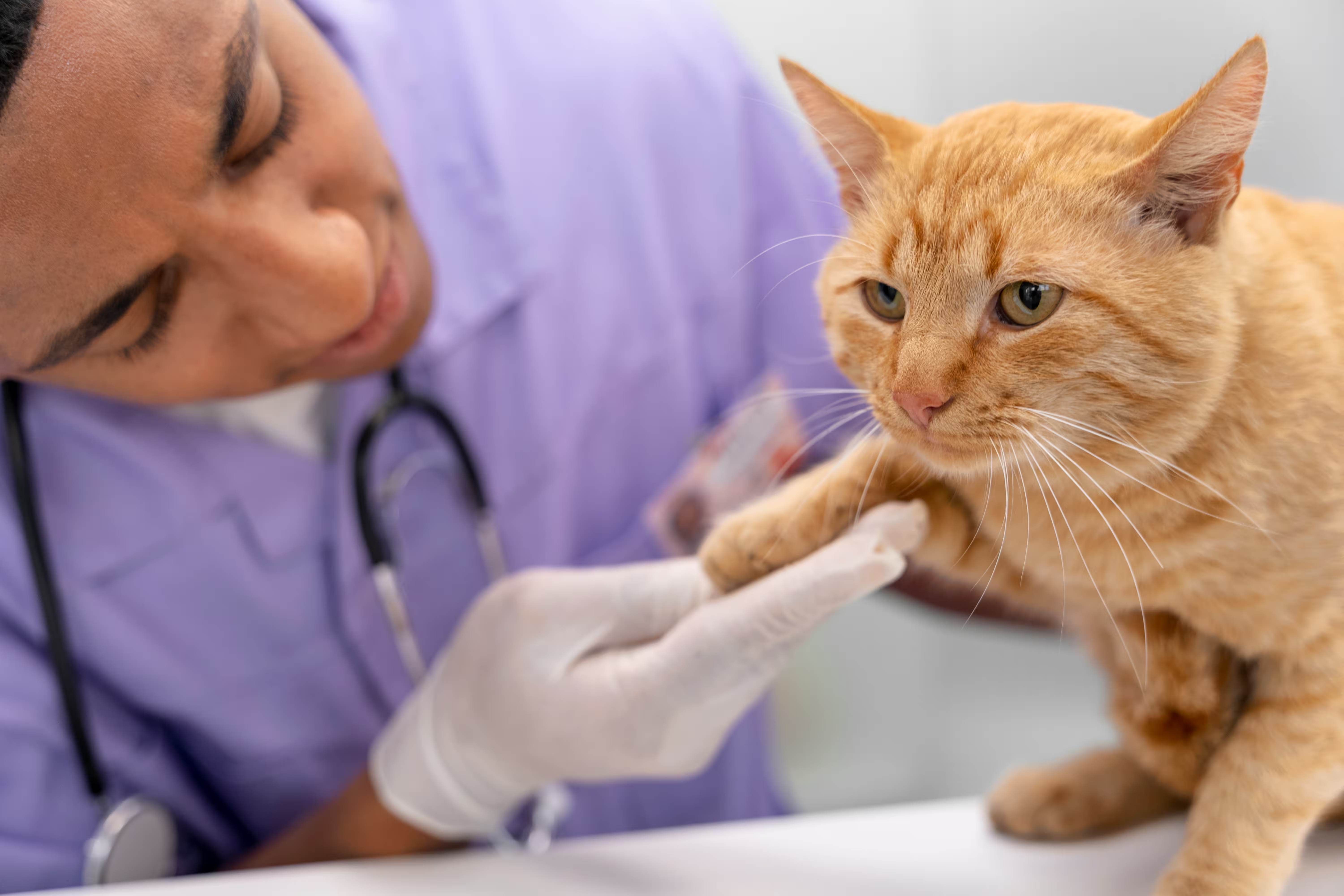
Diabetes mellitus happens when your dog's body either doesn't produce enough insulin or doesn't respond to it properly.
7 Days
Emergency care
Canines
Health guide
Call
If symptoms persist
Diabetes mellitus happens when your dog's body either doesn't produce enough insulin or doesn't respond to it properly. After your dog eats, the digestive system breaks food down into its components, including carbohydrates, which convert into simple sugars like glucose. That glucose gets absorbed into the bloodstream and transported throughout the body. Insulin, produced by beta cells in the pancreas, is what allows glucose to move out of the blood and into cells, where it's converted into usable energy.
When there isn't enough insulin available, or the body doesn't respond to it well, glucose can't get into cells and instead builds up in the bloodstream, a condition called hyperglycemia. This is why a diabetic dog can seem constantly hungry (their cells aren't getting fuel) while also losing weight or appearing malnourished (because that fuel never reaches them).
Damage to the pancreas's beta cells can be temporary or permanent, and can be caused by a virus, infection, trauma, certain medications (like steroids), or long-term strain from excess sugar or carbohydrate intake.
Type 1 diabetes, sometimes called "juvenile" or "insulin-dependent" diabetes, results from the destruction of the pancreas's beta cells. Because this damage isn't reversible, dogs with Type 1 diabetes need external insulin for life.
There's some evidence of a seasonal pattern to canine diabetes, similar to what's observed in human Type 1 diabetes. The exact cause in most cases isn't fully understood, but known risk factors include:
Genetics
Certain breeds carry a higher risk, including Poodles, Dachshunds, Standard and Miniature Schnauzers, Samoyeds, and Keeshonds. Breeds with comparatively lower risk include Boxers, English Springer Spaniels, German Shepherds, Golden Retrievers, and Staffordshire Bull Terriers. Juvenile-onset diabetes can occur too, with Golden Retrievers and Keeshonds showing particular susceptibility.
Autoimmune disease
Autoimmune disease is among the known risk factors for canine diabetes.
Other insulin-resistant conditions
Other insulin-resistant conditions, such as pancreatitis, can increase risk.
Obesity
Obesity is a known risk factor for diabetes in dogs.
Certain medications
Certain medications can contribute to diabetes risk.
Incidence
Roughly 0.2% to 1.5% of dogs develop diabetes, and the incidence appears to be rising over time. The disease typically shows up in middle-aged to older dogs (around 6–9 years), and unspayed females are at meaningfully higher risk.
Diabetes usually develops gradually, over a few weeks, which means owners are often the first to notice something's off. Watch for:
Excessive thirst
Excessive thirst (polydipsia).
Increased urination
Urinating more often or in larger amounts (polyuria), or loss of urinary control.
Constant hunger with weight loss
Constant hunger paired with weight loss or stalled weight gain (polyphagia).
Sweet or fruity breath
Unusually sweet or fruity-smelling breath.
Lethargy
Lower energy or unusual tiredness.
Dehydration
Signs of dehydration.
Recurrent UTIs
Recurrent urinary tract infections.
Vomiting
Vomiting.
Chronic skin infections
Chronic skin infections.
Cloudy eyes
Cloudy or hazy-looking eyes.
Your veterinarian will typically start by testing urine for glucose and ketones. If needed, a blood test will confirm your dog's blood glucose level. A diagnosis is confirmed when glucose shows up in the urine alongside a persistently high blood glucose concentration.
If your dog shows any of the signs above, it's worth a conversation with your veterinarian.
The goal of treatment is to keep glucose levels steady, avoiding sharp spikes and drops while minimizing symptoms like excessive thirst and urination. With daily insulin, the right diet, and consistent routine, diabetic dogs can do very well: dogs receiving appropriate treatment typically have a life expectancy similar to non-diabetic dogs of the same age and sex.
Insulin
Most diabetic dogs need daily insulin injections to manage their blood glucose. Every dog's ideal dose and schedule is different, so your veterinarian will work with you to find the right regimen. This sometimes means a short hospital stay early on to monitor your dog's response. Insulin products made specifically for dogs are commonly used today, though your vet will determine what's appropriate based on your dog's needs. Giving injections can feel intimidating at first, but most owners find it becomes routine surprisingly quickly.
Monitoring
Tracking blood glucose is a key part of ongoing management, whether through urine glucose/ketone test strips or a blood glucose meter. Your veterinarian can help you decide what fits your dog and your routine best.
Diet
Diet plays a major role in keeping diabetes stable. Early on, your vet may recommend a high-fiber diet to help normalize glucose levels; once things stabilize, consistency becomes the priority - same food, same amounts, same times each day. Diabetic diets typically feature moderate fat, quality protein, and complex carbohydrates with fiber to slow glucose absorption. Insulin is usually given right around mealtime so nutrient absorption lines up with peak insulin activity, helping avoid sharp swings in blood sugar. Avoid treats that are high in sugar.
Exercise
Because activity affects blood glucose, a predictable exercise routine rather than occasional bursts of high energy helps prevent unexpected glucose swings.
Checkups
Regular veterinary visits matter even after your dog's diabetes is stable, since the disease can shift over time. Left unmanaged, diabetes can lead to complications like cataracts and serious urinary tract issues, and in advanced cases, coma or death.
There's ongoing research into better long-term treatments for canine diabetes. One notable example: in 2013, researchers in Barcelona used gene therapy to successfully manage diabetes in beagles for over four years without insulin injections. This work was a proof-of-concept study in research dogs and is not an approved or available clinical treatment for pets today.
Call (780) 488-0124 or book an appointment. Our team can diagnose, treat, and guide you through your pet's care.