Open 7 Days a WeekEmergency: (780) 488-0124

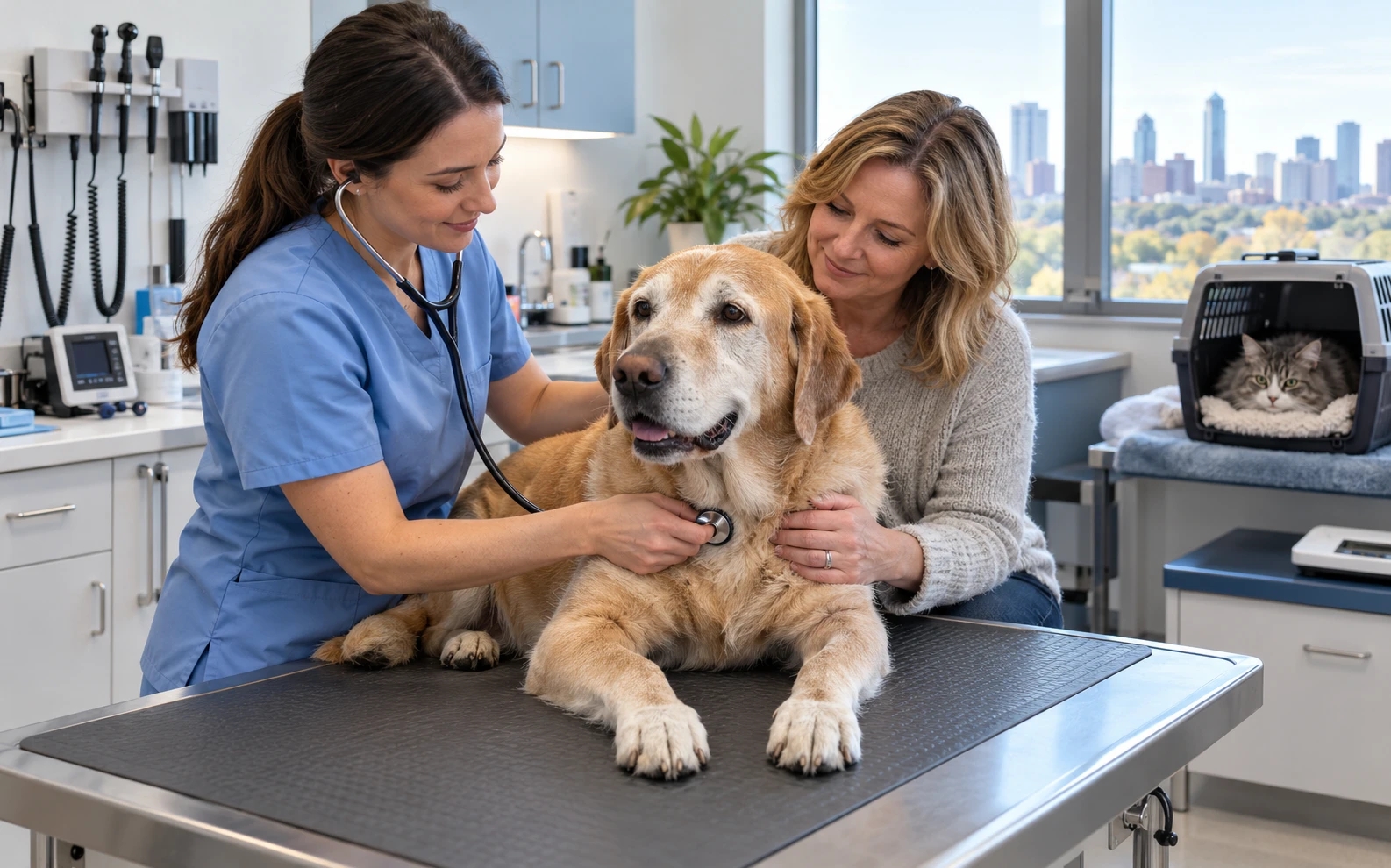
Your dog may still chase their favourite ball, and your cat may still curl up beside you every evening but hidden health problems can develop long before your pet shows obvious signs of illness. As dogs and cats grow older, their healthcare needs gradually change. What once required a routine annual checkup may now call for closer monitoring, additional diagnostic tests, and more personalized preventive care.
A senior pet wellness exam helps veterinarians identify potential health concerns early, manage age-related changes, and support your pet's comfort and quality of life. But does every pet become a senior at seven years old? What tests should older dogs and cats receive, and how frequently should they visit the veterinarian? Understanding these questions can help you make informed decisions about your furry companion's health.
Many pet owners assume that dogs and cats automatically become seniors once they turn seven. However, aging is more complex than a single birthday. According to the American Animal Hospital Association (AAHA), senior status depends on several factors, including species, breed, body size, overall health, and expected lifespan.
Dogs of different sizes age at different rates.
For example, a seven-year-old Great Dane may already need senior-focused monitoring, while a seven-year-old Chihuahua might still be classified as a mature adult.
Cats generally enter their mature adult stage around seven years old and are often classified as seniors after age ten. However, some cats develop health conditions earlier, making preventive screening valuable before they officially reach senior status.
Key Takeaway: Age seven is a useful time to review your pet's changing healthcare needs, even if they are not yet classified as a senior.
As pets age, their bodies become more susceptible to chronic conditions, metabolic changes, dental problems, and mobility difficulties. Some diseases progress gradually without obvious warning signs. An older pet may continue eating, playing, and behaving normally despite underlying health changes. A comprehensive senior pet health checkup allows veterinarians to assess these concerns before symptoms become severe.
Regular examinations can help veterinarians identify potential signs of:
Early identification does not guarantee that every disease can be prevented or cured. However, it can create opportunities for earlier treatment, better symptom management, and more effective long-term monitoring.
AAHA recommends veterinary examinations approximately every six months for senior pets, including those that appear healthy. For older animals with chronic diseases, ongoing medication requirements, or significant changes in health, veterinarians may recommend more frequent appointments. The 2023 AAHA Senior Care Guidelines also recommend individualized diagnostic screening, including certain blood and urine tests every 6–12 months when appropriate.
A senior pet wellness exam involves much more than checking your pet's weight and listening to their heartbeat. Veterinarians assess several body systems, review changes in daily behaviour, and recommend screenings based on individual health risks.
The veterinarian begins by assessing your pet's overall physical condition.
A typical examination may include:
Even small changes can reveal important information. For example, unexplained weight loss in an older cat may prompt testing for hyperthyroidism, kidney disease, diabetes, or other underlying conditions.
Why It Matters: Consistent examinations establish a record of your pet's normal health, making future abnormalities easier to recognize.
Blood testing becomes increasingly important as dogs and cats age because some internal health problems produce few visible symptoms during their early stages. A veterinarian may recommend the following tests.
Complete Blood Count (CBC)
A CBC evaluates red blood cells, white blood cells, and platelets. It can help identify anemia, inflammation, and abnormalities requiring further investigation.
Blood Chemistry Panel
This test measures substances associated with organ function and metabolism, including kidney values, liver enzymes, glucose, electrolytes, and proteins.
Urinalysis
Urine testing helps evaluate kidney function, hydration-related findings, urinary tract abnormalities, and indicators of conditions such as diabetes.
Thyroid Testing
Thyroid hormone testing may help identify hyperthyroidism in older cats or thyroid-related problems in dogs, depending on clinical findings.
Blood Pressure Measurement
Blood pressure monitoring is particularly important for aging cats, as hypertension can contribute to damage affecting the kidneys, eyes, heart, and brain. Not every pet requires every test at each appointment. Your veterinarian will select appropriate screenings based on age, medical history, breed, symptoms, and previous results.
Dental disease is an important concern in aging pets. Plaque buildup, inflamed gums, loose teeth, and periodontal infections can cause discomfort and interfere with normal eating.
Common warning signs include:
A veterinarian may recommend a professional dental evaluation and cleaning under anesthesia when medically appropriate.
Important: Age alone is not a reason to avoid necessary dental procedures. Veterinarians assess anesthetic risk individually, considering your pet's overall health and medical conditions.
Have you noticed your older dog hesitating before climbing stairs or your cat jumping onto furniture less frequently? These changes may indicate discomfort rather than simply slowing down with age. Arthritis and degenerative joint disease are common concerns in older animals, although they can affect younger pets as well.
During a senior dog wellness exam or senior cat health screening, the veterinarian may assess:
A combination of weight management, appropriate activity, environmental adjustments, and veterinarian-prescribed treatment may help maintain mobility. Never give human pain medication to a pet without veterinary guidance, as certain medicines can be dangerous or fatal to animals.
Recognizing subtle behaviour and physical changes is an essential part of preventive care for senior pets. Although some changes accompany aging, they should not automatically be dismissed as normal.
Weight gain may increase pressure on aging joints and contribute to other health concerns. Unexpected weight loss can be associated with muscle loss, dental problems, gastrointestinal disease, or metabolic conditions.
What To Do: Monitor your pet's weight regularly and report changes that cannot be explained by adjustments in diet or activity.
A sudden increase in thirst or urination may indicate diabetes, kidney disease, or other medical conditions. Cats that begin producing unusually large urine clumps and dogs requiring more frequent bathroom breaks should receive veterinary attention.
A previously active dog that avoids walks or a cat that stops jumping onto favourite surfaces may be experiencing pain. Changes in mobility can also reflect weakness, neurological problems, or systemic illness.
Some aging pets develop altered sleep patterns, increased anxiety, or confusion.
Possible warning signs include:
These symptoms warrant evaluation because cognitive dysfunction, pain, sensory changes, and other medical conditions can produce similar signs.
Older dogs and cats may develop skin growths, some benign and others requiring medical attention. A veterinarian can evaluate suspicious lumps and recommend procedures such as fine-needle sampling when appropriate. Do not assume a new lump is harmless simply because your pet appears comfortable.
Although dogs and cats share several age-related health risks, their screening priorities can differ.
Health concern | Older dogs | Older cats |
Joint health | Arthritis, stiffness, difficulty rising | Reduced jumping, joint pain, hiding discomfort |
Kidney health | Kidney function monitoring when indicated | Particular attention to chronic kidney disease |
Thyroid health | Evaluation for hypothyroidism when appropriate | Screening for hyperthyroidism |
Dental health | Periodontal disease and oral discomfort | Dental disease, tooth resorption, oral pain |
Weight changes | Obesity or unexplained weight loss | Weight loss and declining muscle mass |
Blood pressure | Based on age, risk factors, and clinical findings | Especially important in older cats |
These differences demonstrate why individualized veterinary care is more useful than a one-size-fits-all senior wellness package.
Regular examinations provide essential medical oversight, but everyday home care also influences your pet's health.
Nutritional needs may change with age, physical activity, existing diseases, and body condition. Some pets benefit from adjustments to calorie intake, protein sources, or specialized veterinary diets. Avoid switching to a restrictive senior diet solely because your pet turns seven. Ask your veterinarian what nutritional approach best matches your pet's individual needs.
Maintaining appropriate activity supports muscle condition, mobility, and mental stimulation.
Consider:
Exercise routines should be adjusted if your pet experiences pain, breathing difficulties, or reduced endurance.
Small environmental changes can make daily activities safer and easier.
Tracking changes at home provides useful information for your veterinarian.
Record your pet's:
Short videos showing unusual walking patterns, coughing, or behavioural episodes may also help your veterinarian understand symptoms that do not appear during an appointment.
Do not wait for the next routine checkup if your older pet develops concerning symptoms.
Arrange prompt veterinary assessment for persistent vomiting, new lumps, unexplained weight loss, changes in thirst, reduced appetite, or unusual behaviour.
Seek emergency veterinary care immediately if your pet experiences severe breathing difficulty, collapse, repeated seizures, an inability to urinate, or other signs of serious distress.
Early assessment can be particularly important for pets already living with chronic medical conditions.
Your pet's seventh birthday does not automatically mean they are old, but it is a valuable opportunity to reconsider their long-term health needs. As dogs and cats move into their mature and senior years, regular veterinary evaluations, appropriate diagnostic testing, and attentive home care become increasingly important.
Senior pet wellness exams are about more than detecting illness. They help protect comfort, mobility, independence, and quality of life as your companion grows older. If your dog or cat is approaching seven years of age or you have noticed changes in their behaviour, appetite, mobility, or energy, consider discussing a personalized senior wellness plan with your veterinarian.
A thoughtful checkup today can help you make informed decisions about your pet's health and enjoy more comfortable, meaningful years together.